Farm work does not stop for winter. Animals are housed, machinery is serviced, feed is moved and equipment is repaired, and most of that happens on a concrete slab. The outdoor season is what changes: fieldwork, yard work and exterior pours slow down, while the interiors keep carrying load, moisture and chemistry. That is why agricultural buildings are one of the more practical places to do indoor concrete work between November and March.
The work itself is not simply a smaller version of an exterior job. Farm interiors bring their own exposures, and they bring operational constraints: animals, hygiene, feed deliveries and equipment that has to keep moving. This article covers where indoor concrete work fits in an agricultural operation, what the surface is up against, and what has to be settled before anyone touches it.
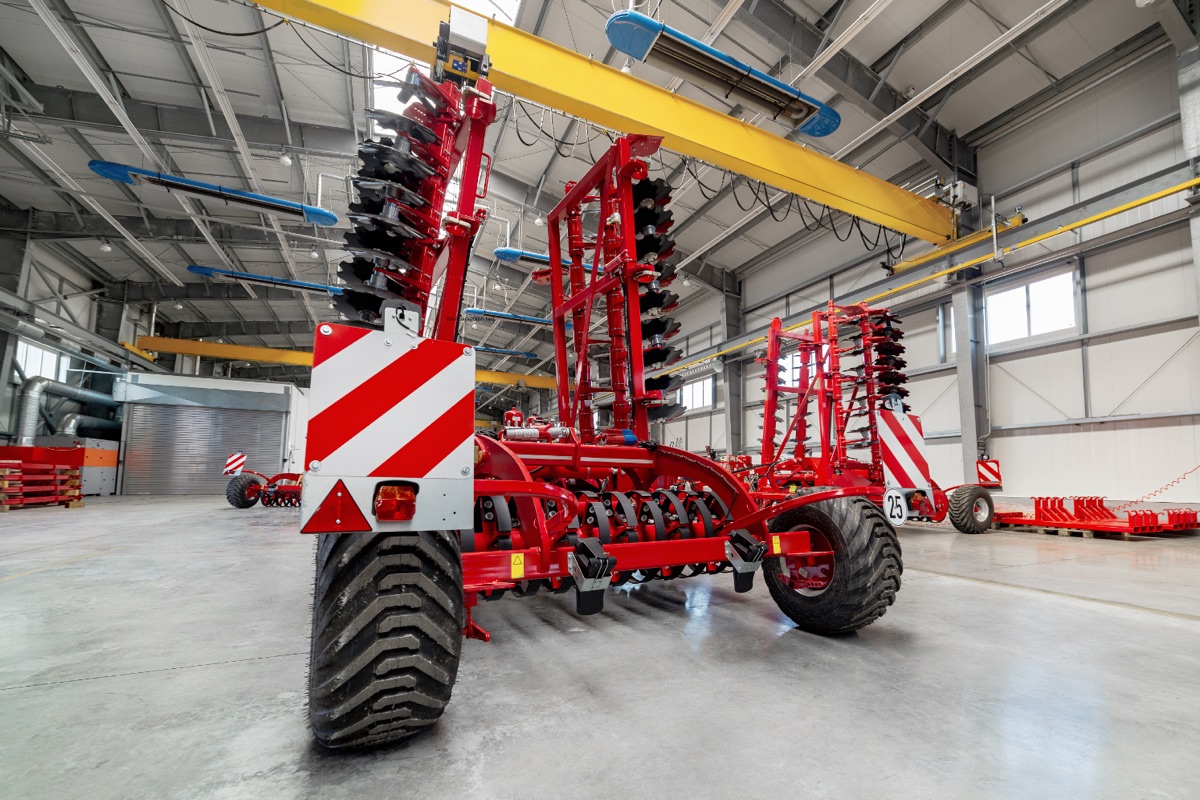
Where indoor work fits on a farm
The spaces that come up most often:
| Space | What drives the exposure |
|---|---|
| Livestock barns and housing | Manure and slurry chemistry, continual moisture, cleaning cycles |
| Farm workshops and equipment bays | Oil, grease, equipment traffic and tracked-in grit |
| Basements and foundations | Moisture migration, drainage and groundwater |
| Heated mechanic shops and service bays | Vehicle traffic, road salt carried in, washdowns |
| Warehouses and feed storage | Point loads, abrasion and moisture at walls |
| Utility rooms and milk or equipment areas | Repeated washdown and condensation |
These are different exposures with different failure modes. A wash bay and a feed alley share a building but they do not weather the same way, and a treatment decision made for one should not be assumed for the other.
What the surface is up against
Agricultural concrete has a chemistry problem on top of a moisture problem, and winter adds a third layer:
- Organic acids and slurry chemistry. Silage leachate and manure attack the cement paste at the surface, which is why pit walls and alley floors show paste loss and exposed aggregate earlier than the rest of the building. The mechanism is covered in agricultural concrete has different exposure problems.
- Continual moisture. Washdown water, spillage and animal waste mean the slab spends more of its life wet than dry. Wet concrete that freezes is a different material from wet concrete that dries.
- Traffic and abrasion. Skid steers, TMR wagons, feed carts and hoof traffic abrade surfaces that are already chemically weakened, which is how a durable floor becomes a rough one.
- Freeze-thaw at the openings. Doorways, aprons and unheated areas cycle through freeze-thaw all winter, and that is typically where scaling starts.
Corrosion follows the same logic as in any chloride or moisture exposure: water and dissolved salts reach the reinforcement, the steel expands, and the cover eventually cracks and spalls. In a barn the timeline is compressed by how much of the year the surface spends wet.
Why winter is a workable window
Three practical reasons make interior agricultural work easier in the cold months:
- The building is accessible. Between-harvest and off-season periods free up space, and interior work does not depend on the weather.
- The space can be taken out of service in sections. Barns and shops are usually worked bay by bay, which suits a treatment that needs a dry window.
- Conditions can be controlled. Heat and ventilation are achievable indoors, and both matter more than most people expect for surface preparation and cure.
The constraint is the same one that governs any occupied building: the slab has to be dry enough to accept work, which in a barn means a cleaning and drying plan, not just a schedule. Washing a floor down the day before does not create a dry surface.
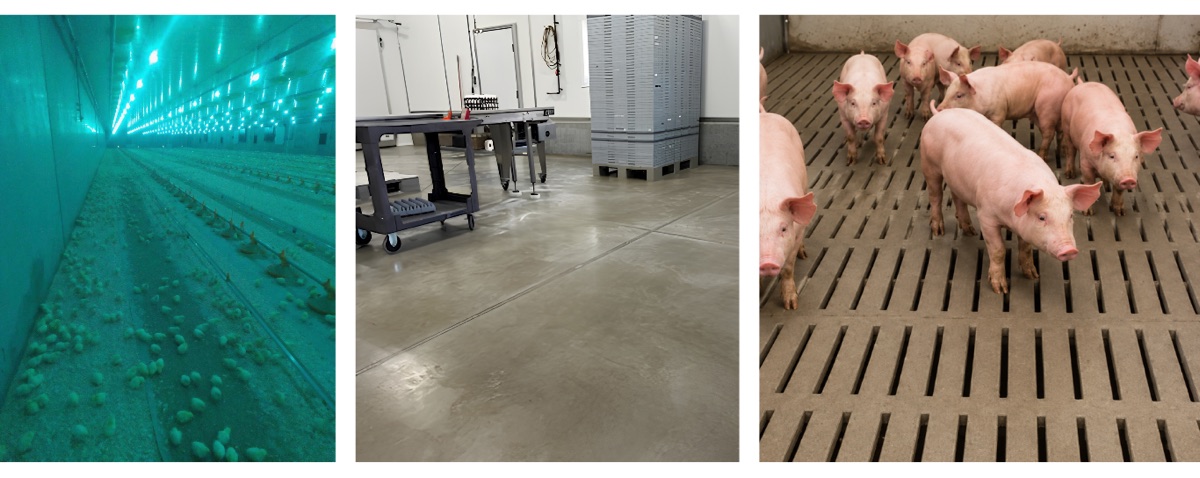
Where a penetrating treatment fits, and where it does not
Indoors on a farm, a penetrating treatment fits a sound surface that can be cleaned and dried: a workshop floor, a feed alley, a utility area, a shop bay. It does not replace repair of spalled or delaminated concrete, it does not stop active water movement through a crack or a failed joint, and it is not a coating that isolates concrete from chemistry.
That last point matters in agricultural settings, where the aggressive exposures are chemical. No surface treatment turns a silage pit into an acid-resistant vessel, and the durability conversation for that space starts with the chemistry and the design, not the product.
Preparation is where most of the outcome is decided: cleaning off organic material, confirming the surface is sound, and getting it dry. In a working barn that is the hard part, and it is worth planning before a date is chosen.
Where to go next
- Agricultural concrete has different exposure problems: silage, slurry and washdown in detail.
- Industrial concrete floor durability: abrasion, loading and how floors fail.
- Freeze-thaw in Atlantic Canada: why the regional climate is hard on exposed surfaces.
- Where PRO Tek fits: the product's actual place in a repair and protection sequence.